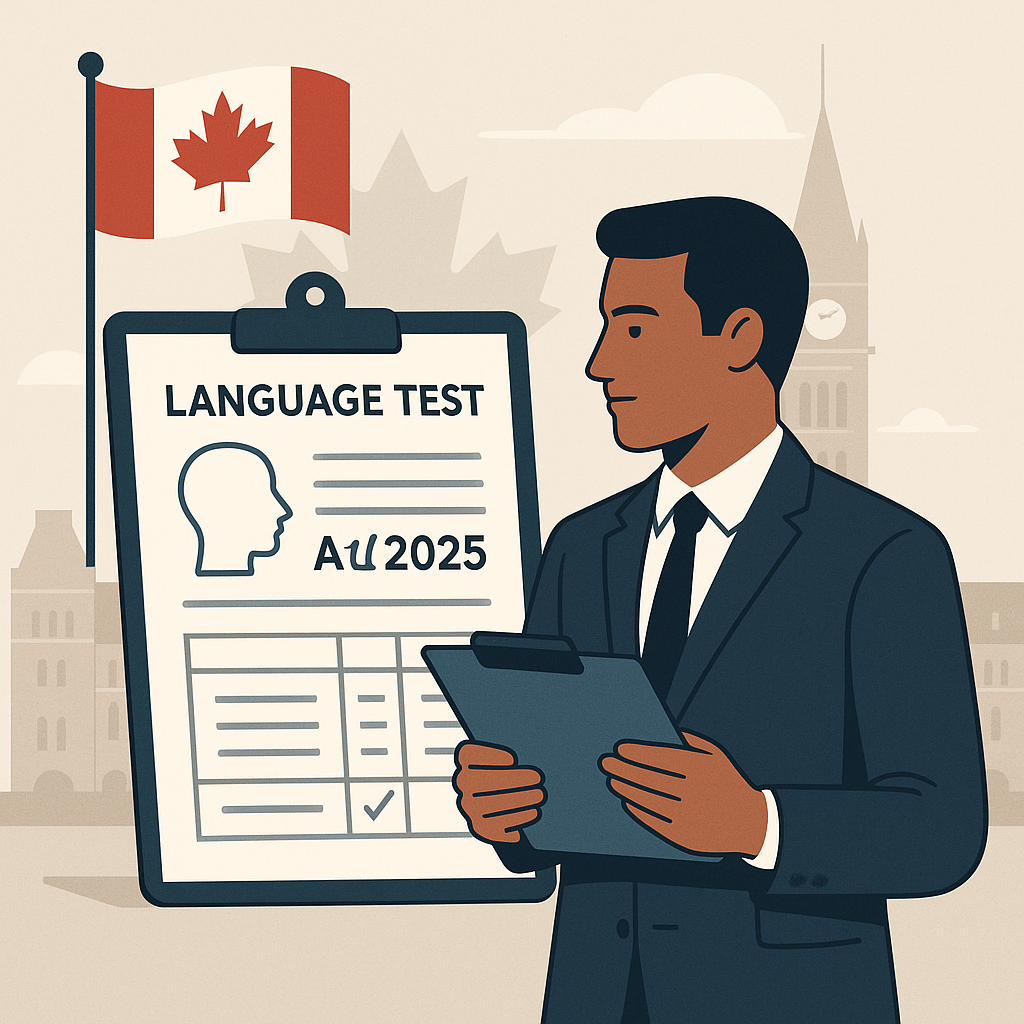
IRCC will require designated language test results for certain International Mobility Program work permit applicants, with regulatory amendments planned for 2025–2027. The proposal will appear in the Canada Gazette, Part I in spring/summer 2025 for public comment; aimed at improving workforce integration and retention but may narrow the eligible pool and add testing costs.
Soheil Hosseini
July 19, 2025
Jurisdiction
Federal
Week
Week 29
Impact
Moderate
Programs Affected
Canada to Require Language Tests for Some International Mobility Program Work Permits Starting 2025
Summary: IRCC plans to introduce a requirement for designated language test results for certain International Mobility Program (IMP) work permit applicants, with regulatory changes slated between 2025 and 2027. The proposal, aimed at improving transparency, workforce integration, and long-term retention, will be published in the Canada Gazette, Part I for public comment in spring/summer 2025.
Immigration, Refugees and Citizenship Canada (IRCC) has announced its intent to amend the Immigration and Refugee Protection Regulations to require designated language test results for selected applicants under the International Mobility Program (IMP). The changes are expected to come into effect between 2025 and 2027, following a public consultation period triggered by publication in the Canada Gazette, Part I targeted for spring/summer 2025.
IRCC says the measure is designed to enhance transparency and reliability in assessing language skills, ensuring chosen candidates are better prepared for workforce integration and a long-term transition to permanent residence. While the requirement could narrow the pool of eligible foreign workers, IRCC expects it to boost employer confidence and support retention outcomes.
Key takeaways
Program affected: Work Permit (International Mobility Program)
What’s changing: Introduction of mandatory, IRCC-designated language test results for some IMP applicants
Timing: Regulatory amendments planned 2025–2027
Process: Proposal to appear in Canada Gazette, Part I, followed by public comment
Source: IRCC
Date of update: 2025-07-19
Urgency: Important
Potential impacts
Positive: Clearer skill benchmarks may streamline hiring decisions, foster better job matching, and support smoother transitions to permanent residence.
Negative: Added testing costs and timelines may deter some candidates and reduce short-term labor supply in affected IMP categories.
What to watch
The exact categories of IMP work permits that will be subject to testing.
The minimum score thresholds and recognized test providers designated by IRCC.
The implementation schedule across 2025–2027 and any transitional measures for applicants already in process.
Next steps
Stakeholders should monitor the Canada Gazette, Part I in spring/summer 2025 for the draft regulations and participate in the public comment period to inform final policy design.
Date of update: 2025-07-19
Tags: Canada immigration, IRCC, International Mobility Program, IMP, work permits, language tests, Canada Gazette, regulatory amendments, workforce integration, permanent residence, employer compliance, 2025 policy updates
Categories
Share This Post
Stay Updated with Immigration News
Get the latest updates on Express Entry draws, OINP invitations, policy changes, and more delivered to your inbox.
We respect your privacy. Unsubscribe at any time.
Related Articles

IRCC genuineness guidance
IRCC requires officers to assess genuineness of LMIA‑exempt employer‑specific work‑permit offers under R200/R209.11—refusal is mandatory if any of four factors (active engagement, need, ability to fulfill terms, legal compliance) fail; open work permits are excluded. Employers must submit complete offers via the Employer Portal and may be contacted directly; CBSA conducts genuineness checks at POE and extrinsic adverse info triggers procedural fairness.

Canada extends Ebola measures
Canada extended Ebola travel measures to Sept. 28, 2026; effective July 20, 2026, foreign nationals who were in the DRC within the previous 21 days cannot board flights to Canada. Affects TRV, Work Permit and Study Permit travellers and may disrupt travel, enrolment and onboarding timelines.
Palestinian Open Work Permits
Canada launches a temporary public policy (Aug 1, 2026–Dec 30, 2027) allowing Palestinians and eligible family members in Canada to apply for or extend open work permits (one-time extension). Policy is in-Canada only, excludes temporary resident permit holders, requires valid temporary status, standard fees apply—use IRCC’s online tool and apply promptly.

Philippines-Canada Declaration
Philippines and Canada signed a non-binding Joint Declaration of Intent (Vancouver, 2 Jul 2026) to strengthen ethical recruitment and migrant worker protections, aligned with ILO fair recruitment principles. Key commitments: no recruitment fees to workers, transparent licensing/verification, protection from passport/contract confiscation, freedom of movement, and access to information and grievance mechanisms. Impact depends on domestic enforcement; Filipino jobseekers should avoid paying fees and secure contracts, while employers must review fee, licensing, and document-handling practices.