
The IRAN2023 public policy allowing Iranians in Canada to extend temporary status expired on 2026-02-28, and the IRCC minister reportedly does not plan to renew it. Affected Iranian nationals must now seek regular IRCC pathways or risk lapses in work, study, or visitor status.
Soheil Hosseini
March 2, 2026
Jurisdiction
Federal
Week
Week 10
Impact
High
Programs Affected
IRAN2023 status-extension policy for Iranians in Canada expires; IRCC minister does not plan to renew
Summary: The IRAN2023 public policy that let Iranian citizens already in Canada extend their temporary status as workers, students, or visitors has expired and, according to a news report, the IRCC minister does not plan to renew it. This may leave affected Iranians needing to transition to standard immigration pathways or risk lapses in status. Date of update: 2026-03-02. Source: News Article. The IRAN2023 public policy—introduced in 2023 and extended through 2026-02-28—has now ended. Despite ongoing regional instability, the minister responsible for Immigration, Refugees and Citizenship Canada (IRCC) reportedly has no plan to extend or reintroduce the measure. What changed
- The special avenue that allowed Iranians in Canada to extend status as a worker, student, or visitor has expired (2026-02-28).
- Affected individuals must now rely on regular IRCC programs and criteria. Programs affected
- Study Permit
- Work Permit
- Temporary Resident Visa (TRV)/Visitor status Who is affected
- Iranian nationals in Canada who relied on IRAN2023 to maintain or extend temporary resident status.
- Those without an alternative pathway may face interruption of work or study and potential loss of status if they cannot meet regular program requirements. Potential impacts (independent analysis)
- Negative:
- Elevated risk of status lapses, leading to loss of work authorization, study interruptions, and possible enforcement exposure.
- Increased strain on applicants needing to pursue standard extensions, new permits, or restoration under regular rules.
- Potential positives:
- Policy sunset may standardize processing across nationalities and refocus resources on established programs.
- Could prompt eligible individuals to transition to permanent residence or other durable pathways where feasible. What to watch
- Any subsequent IRCC guidance on restoration options, discretionary relief, or humanitarian avenues.
- Whether post-expiry processing volumes and timelines for study/work/visitor applications are affected for Iranian nationals.
Date of update: 2026-03-02
Source: News Article
Closing: Affected individuals should promptly review their status and consider available regular pathways. Official IRCC updates will be critical as the situation develops.
Tags: Canada immigration, IRCC, IRAN2023, Iran nationals, status extension, work permits, study permits, visitors, TRV, policy expiry, temporary residence, immigration news, public policy Canada
Categories
Share This Post
Stay Updated with Immigration News
Get the latest updates on Express Entry draws, OINP invitations, policy changes, and more delivered to your inbox.
We respect your privacy. Unsubscribe at any time.
Related Articles

Express Entry Overhaul
Effective Nov 3, 2026 Express Entry will award up to 150 CRS points for designated high‑wage Canadian experience and up to 100 CRS points for qualifying LMIA‑free job offers. IRCC will pause draws up to two weeks for profile recalculation, use an occupation‑based high‑wage list, and retain strict job‑offer genuineness checks.

IRCC genuineness guidance
IRCC requires officers to assess genuineness of LMIA‑exempt employer‑specific work‑permit offers under R200/R209.11—refusal is mandatory if any of four factors (active engagement, need, ability to fulfill terms, legal compliance) fail; open work permits are excluded. Employers must submit complete offers via the Employer Portal and may be contacted directly; CBSA conducts genuineness checks at POE and extrinsic adverse info triggers procedural fairness.
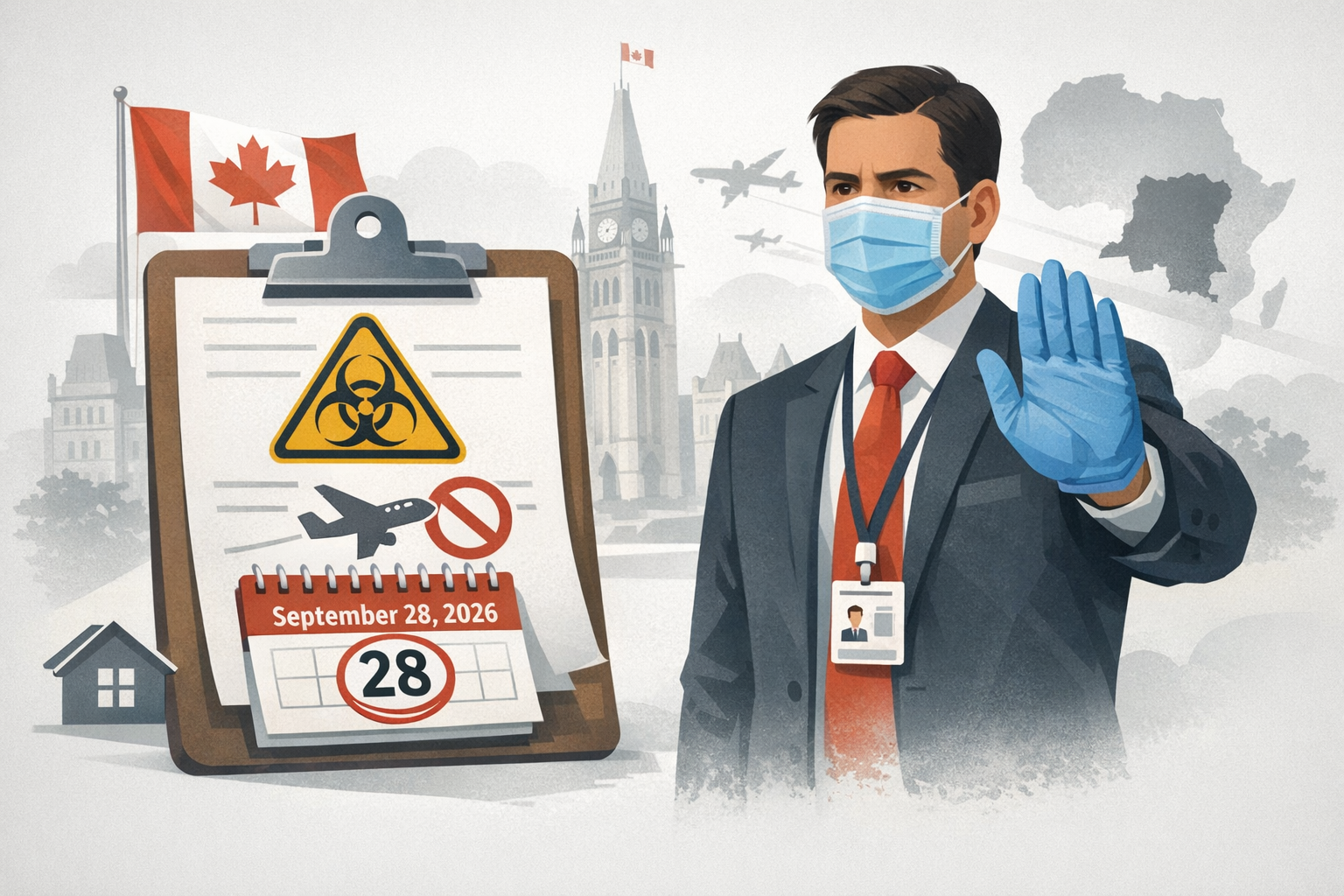
Canada extends Ebola measures
Canada extended Ebola travel measures to Sept. 28, 2026; effective July 20, 2026, foreign nationals who were in the DRC within the previous 21 days cannot board flights to Canada. Affects TRV, Work Permit and Study Permit travellers and may disrupt travel, enrolment and onboarding timelines.
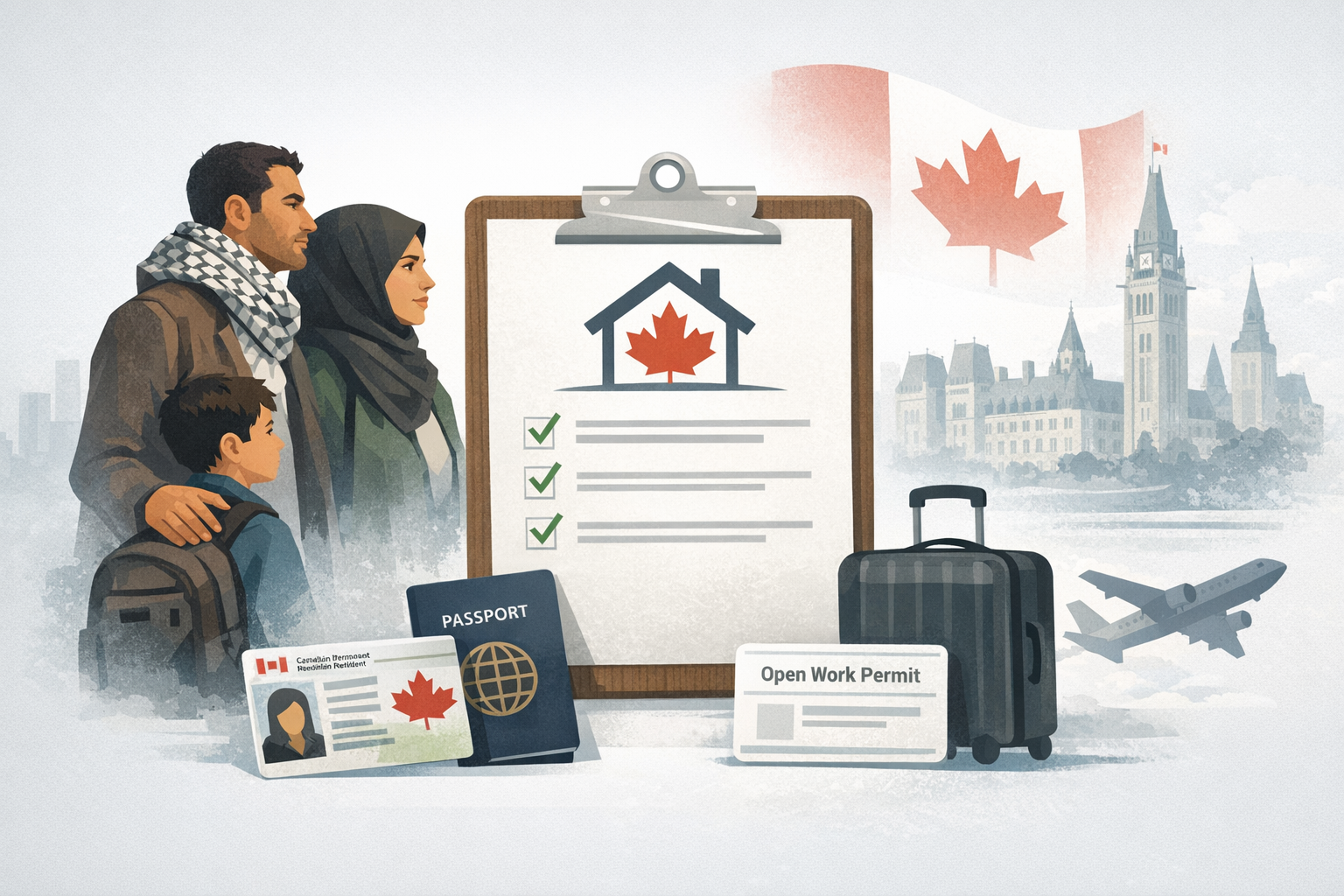
Palestinian Open Work Permits
Canada launches a temporary public policy (Aug 1, 2026–Dec 30, 2027) allowing Palestinians and eligible family members in Canada to apply for or extend open work permits (one-time extension). Policy is in-Canada only, excludes temporary resident permit holders, requires valid temporary status, standard fees apply—use IRCC’s online tool and apply promptly.