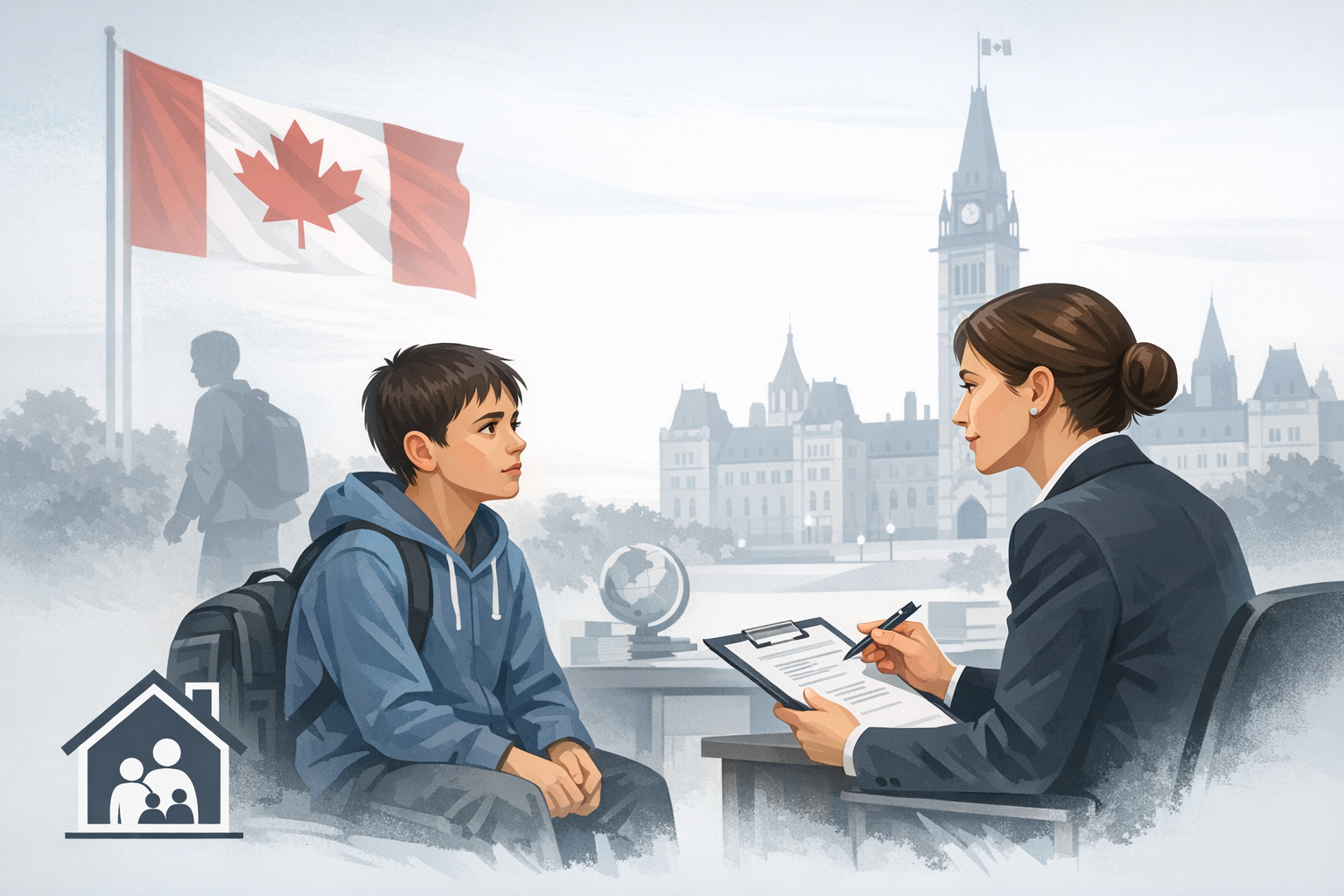
IRCC’s Temporary Public Policy (effective May 19, 2026) exempts unaccompanied minors from Bill C‑12’s one‑year and 14‑day asylum ineligibility bars, allowing qualifying claims by those under 18 with no legal guardian in Canada to be referred to the Refugee Protection Division. The exemption applies to eligibility decisions made on or after that date and remains in force until revoked.
Soheil Hosseini
May 20, 2026
Jurisdiction
Federal
Week
Week 21
Impact
Moderate
Programs Affected
Canada temporarily exempts unaccompanied minors from new asylum ineligibility rules
Date: 2026-05-20 | Source: IRCC | Program affected: Refugees
Summary: Canada has introduced a temporary public policy that exempts unaccompanied minors in Canada from two new asylum ineligibility rules under Bill C-12, ensuring their claims can still be referred to the Immigration and Refugee Board’s Refugee Protection Division (RPD). In a move to protect child asylum seekers amid recent legislative changes, the Minister of Citizenship and Immigration has established a Temporary Public Policy that exempts unaccompanied minors from the new ineligibility provisions under the Immigration and Refugee Protection Act (IRPA). The policy took effect upon signature on 2026-05-19 by The Honourable Lena Metlege Diab and applies to eligibility determinations made on or after that date, remaining in force until revoked. Background: Amendments enacted through Bill C-12 took effect on 2026-03-26, introducing two ineligibility provisions designed to relieve pressure on Canada’s asylum system:
- “One-year” ineligibility: claims filed more than one year after a person’s first entry into Canada after June 24, 2020, are not referred to the RPD.
- “14 days” ineligibility for irregular entry from the U.S.: claims filed 14 or more days after entering between ports of entry are not referred to the RPD. What changes under the new policy: The exemption ensures that qualifying unaccompanied minors are not subject to these two bars, allowing their claims to proceed to the Refugee Protection Division for determination. Who qualifies:
- The claimant has made a claim for refugee protection under IRPA s.99(3); and
- The claimant is under 18 at the time of claim and has no parent or adult legally responsible for them in Canada. Legal effect: Delegated officers may grant exemptions from:
- IRPA s.101(1)(b.1) (one-year ineligibility); and
- IRPA s.101(1)(b.2) (14-day ineligibility after irregular U.S. border entry).
All other statutory criteria and obligations continue to apply. Rationale: The government signaled during parliamentary consideration of Bill C-12 that unaccompanied minors require tailored protection due to the absence of legal guardianship, which can impede their ability to navigate the asylum process. Independent analysis:
- Potential positives:
- Protects the best interests of the child, ensuring access to a full RPD hearing.
- Reduces risk of procedural unfairness and aligns with Canada’s child protection principles.
- Provides immediate clarity to front-line decision-makers during a period of system strain.
- Potential challenges:
- Verification of age and guardianship may be complex and resource-intensive.
- Could create a limited incentive for irregular journeys by minors, necessitating robust child-safeguarding and anti-smuggling measures.
- May increase short-term caseloads at the IRB/RPD, legal aid, and child welfare services, requiring coordinated capacity planning. Effective date and duration: Effective 2026-05-19; applies to eligibility decisions made on or after that date and continues until revoked. Claims decided on or before the date of revocation will be processed under this policy.
Closing: By carving out an exception for unaccompanied minors from Bill C-12’s new ineligibility rules, IRCC reinforces procedural protections for children while maintaining broader system controls. Stakeholders should monitor implementation guidance, documentation standards for proving unaccompanied status, and any subsequent permanent regulatory amendments.
Tags: Canada immigration, IRCC, asylum, refugees, unaccompanied minors, IRPA, Bill C-12, Refugee Protection Division, Immigration and Refugee Board, Canada–U.S. border, irregular entry, public policy, children’s rights, legal update
Categories
Share This Post
Stay Updated with Immigration News
Get the latest updates on Express Entry draws, OINP invitations, policy changes, and more delivered to your inbox.
We respect your privacy. Unsubscribe at any time.
Related Articles
IRCC genuineness guidance
IRCC requires officers to assess genuineness of LMIA‑exempt employer‑specific work‑permit offers under R200/R209.11—refusal is mandatory if any of four factors (active engagement, need, ability to fulfill terms, legal compliance) fail; open work permits are excluded. Employers must submit complete offers via the Employer Portal and may be contacted directly; CBSA conducts genuineness checks at POE and extrinsic adverse info triggers procedural fairness.
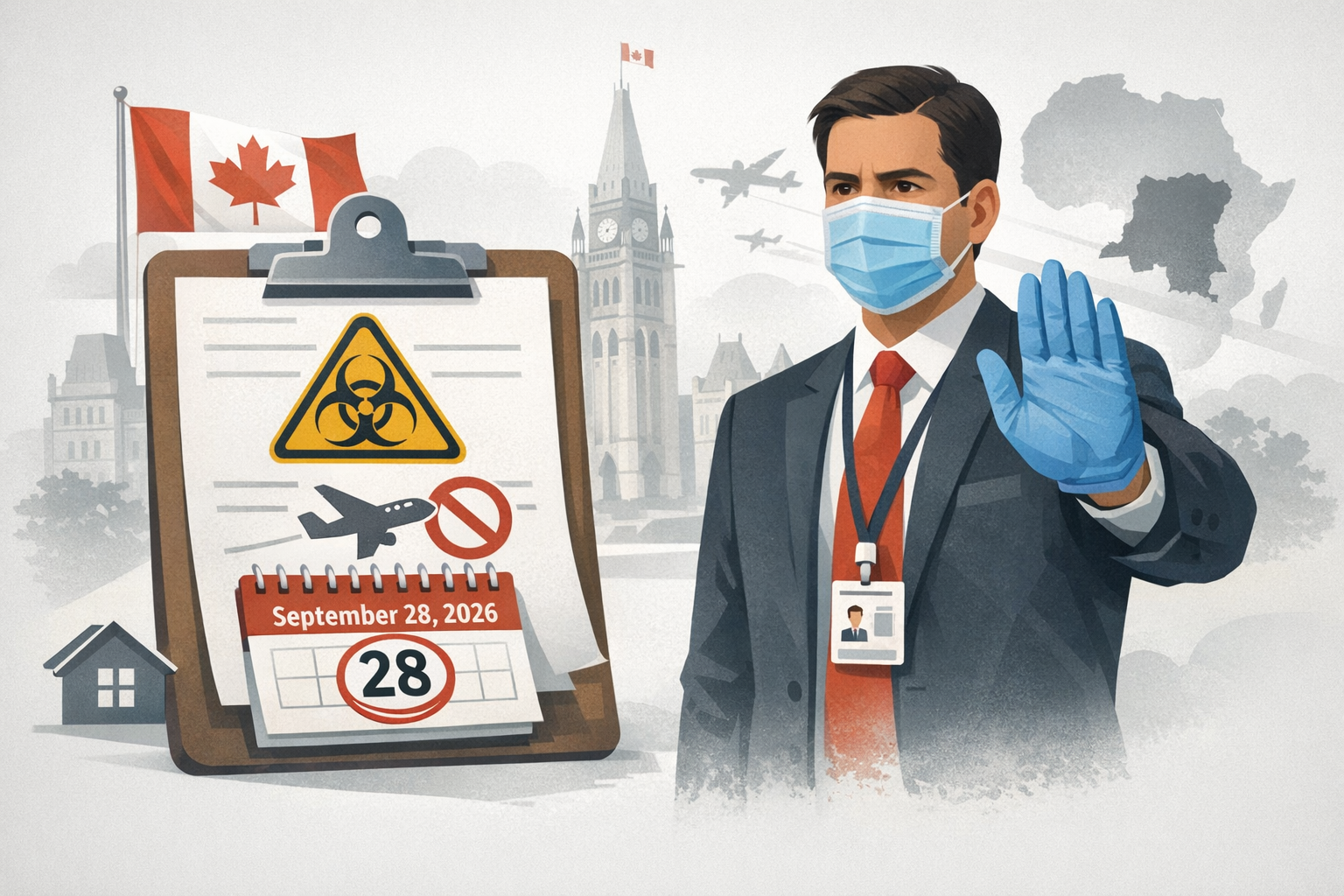
Canada extends Ebola measures
Canada extended Ebola travel measures to Sept. 28, 2026; effective July 20, 2026, foreign nationals who were in the DRC within the previous 21 days cannot board flights to Canada. Affects TRV, Work Permit and Study Permit travellers and may disrupt travel, enrolment and onboarding timelines.
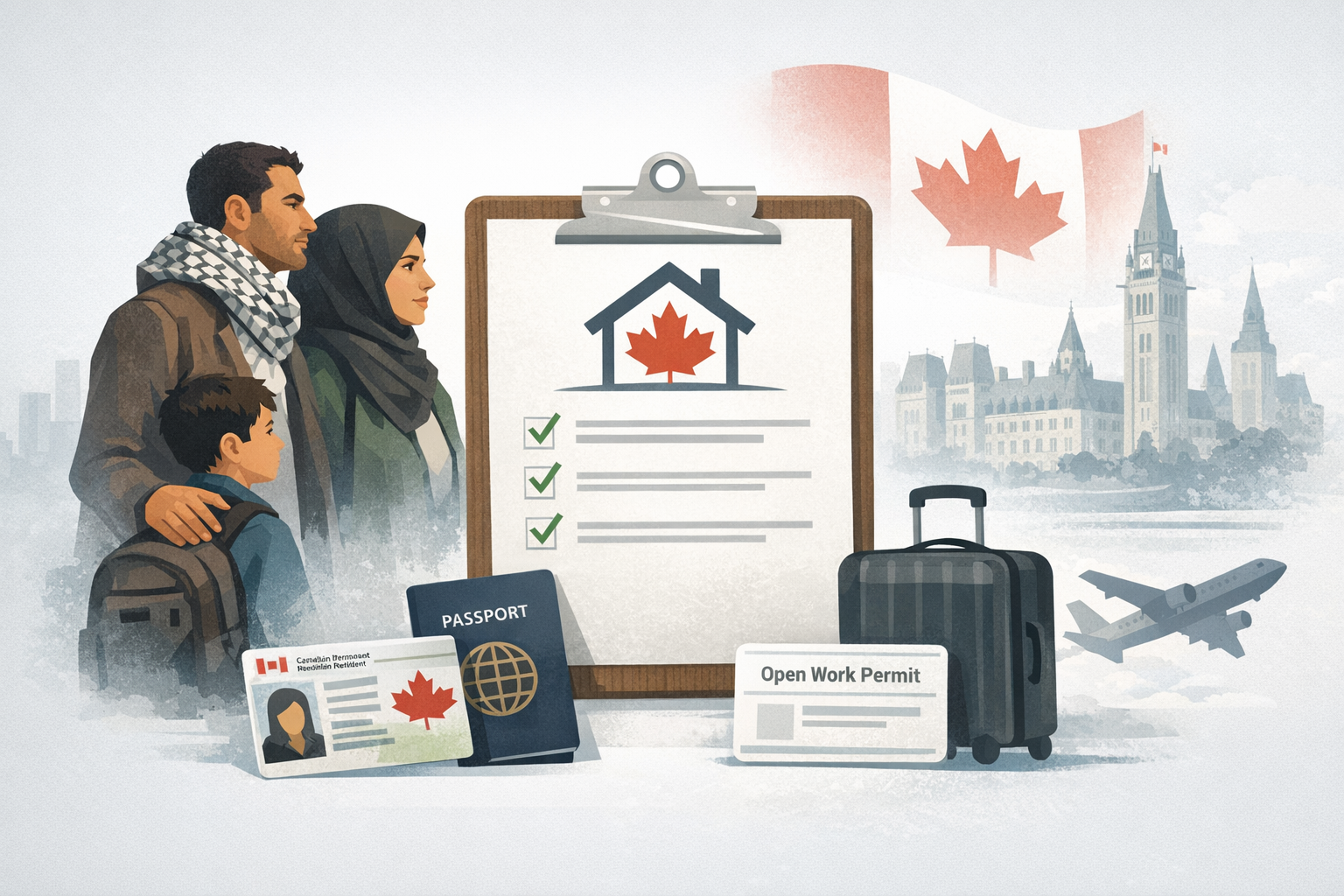
Palestinian Open Work Permits
Canada launches a temporary public policy (Aug 1, 2026–Dec 30, 2027) allowing Palestinians and eligible family members in Canada to apply for or extend open work permits (one-time extension). Policy is in-Canada only, excludes temporary resident permit holders, requires valid temporary status, standard fees apply—use IRCC’s online tool and apply promptly.
Philippines-Canada Declaration
Philippines and Canada signed a non-binding Joint Declaration of Intent (Vancouver, 2 Jul 2026) to strengthen ethical recruitment and migrant worker protections, aligned with ILO fair recruitment principles. Key commitments: no recruitment fees to workers, transparent licensing/verification, protection from passport/contract confiscation, freedom of movement, and access to information and grievance mechanisms. Impact depends on domestic enforcement; Filipino jobseekers should avoid paying fees and secure contracts, while employers must review fee, licensing, and document-handling practices.