
IRCC is temporarily waiving TRV biometrics for FIFA‑invited delegates and diplomats (holding a FIFA Letter of Invitation or diplomatic/official passport) who applied between Nov 25, 2025 and July 20, 2026. Inadmissibility screening remains in place and the policy may be revoked at any time.
Soheil Hosseini
March 3, 2026
Jurisdiction
Federal
Week
Week 10
Impact
Moderate
Programs Affected
Canada temporarily waives visa biometrics for FIFA‑invited delegates and diplomats for 2026 World Cup (Nov. 25, 2025–July 20, 2026)
Summary: Canada has introduced a time‑limited immigration measure that exempts certain FIFA‑invited applicants—including diplomats—from the biometrics requirement for temporary resident visas to support the 2026 FIFA Men’s World Cup. Ottawa — 2026-03-03 — The Immigration, Refugees and Citizenship Canada (IRCC) has enacted a temporary public policy to exempt specific FIFA‑invited applicants attending the 2026 FIFA Men’s World Cup from the requirement to provide biometrics for a Temporary Resident Visa (Program: TRV). The policy is aimed at facilitating official tournament participation while maintaining inadmissibility screening. Key details
- Exemption: Waiver of the biometrics collection requirement under IRPR paragraph 12.1(d).
- Legal authority: Public policy established under IRPA section 25.2.
- Source: IRCC. Eligibility (must meet all listed conditions)
- Category 1 (FIFA‑invited applicants):
- Applied for a TRV between November 25, 2025 and July 20, 2026.
- Hold a FIFA Letter of Invitation.
- Not associated with adverse information that may result in inadmissibility under IRPA ss. 34, 35, 35.1, 36(1), 37; or under s. 42 where the family member’s inadmissibility is based on those grounds.
- Category 2 (Diplomats/government officials):
- Applied for a TRV between November 25, 2025 and July 20, 2026.
- Hold a diplomatic or official passport.
- Hold a FIFA Letter of Invitation.
- Not associated with adverse information that may result in inadmissibility under IRPA ss. 34, 35, 35.1, 36(1), 37; or under s. 42 where the family member’s inadmissibility is based on those grounds. Timing and scope
- Start: November 25, 2025 (applies to new and pending applications as of that date).
- End: July 20, 2026.
- The policy may be revoked at any time, without prior notice. Context and rationale
Canada will co‑host the 2026 FIFA Men’s World Cup with Mexico and the United States, staging 13 matches (June 11–July 19) and hosting the FIFA Congress in Vancouver in April. Authorities anticipate up to 1 million visitors, including approximately 7,000 FIFA‑invited applicants viewed as critical to tournament delivery. The event is projected to generate $3.8 billion in economic output, contribute $2 billion to GDP, and support 24,000 jobs in Canada. Signatory
- The Hon. Lena Metlege Diab, P.C., M.P., Minister of Immigration, Refugees and Citizenship.
- Dated at Ottawa, February 10, 2026. Independent analysis
- Positive impacts: The targeted waiver should streamline processing, reduce pressure on biometric collection capacity, and support timely entry of essential personnel and diplomats, aligning with the event’s significant economic and diplomatic benefits.
- Risks/constraints: Waiving biometrics for a defined cohort may raise security and equity concerns; however, the continued application of inadmissibility checks and the narrow eligibility window mitigate risk. The ability to revoke the policy without notice provides operational flexibility if threat environments change. Closing
This narrowly tailored, time‑bound waiver aims to balance facilitation for official FIFA participants with Canada’s security framework. No changes were announced for other travelers, and the exemption ends on 2026-07-20 unless revoked earlier.
Tags: Canada immigration, IRCC, TRV, biometrics exemption, FIFA 2026, World Cup Canada, diplomats, public policy, IRPA s.25.2, IRPR 12.1(d), Vancouver FIFA Congress, Canadian visas, temporary resident visa
Categories
Share This Post
Stay Updated with Immigration News
Get the latest updates on Express Entry draws, OINP invitations, policy changes, and more delivered to your inbox.
We respect your privacy. Unsubscribe at any time.
Related Articles

Express Entry Overhaul
Effective Nov 3, 2026 Express Entry will award up to 150 CRS points for designated high‑wage Canadian experience and up to 100 CRS points for qualifying LMIA‑free job offers. IRCC will pause draws up to two weeks for profile recalculation, use an occupation‑based high‑wage list, and retain strict job‑offer genuineness checks.

IRCC genuineness guidance
IRCC requires officers to assess genuineness of LMIA‑exempt employer‑specific work‑permit offers under R200/R209.11—refusal is mandatory if any of four factors (active engagement, need, ability to fulfill terms, legal compliance) fail; open work permits are excluded. Employers must submit complete offers via the Employer Portal and may be contacted directly; CBSA conducts genuineness checks at POE and extrinsic adverse info triggers procedural fairness.
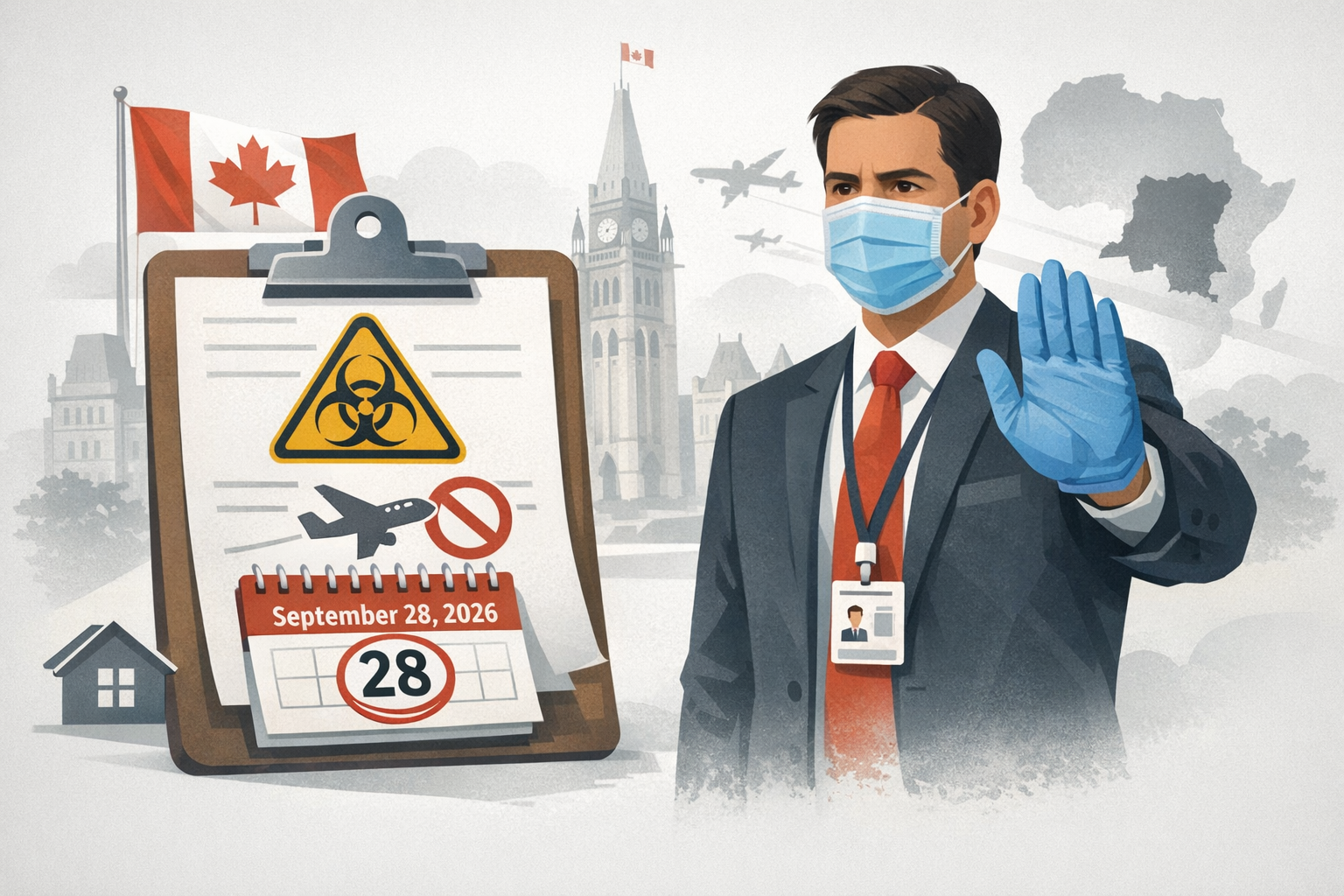
Canada extends Ebola measures
Canada extended Ebola travel measures to Sept. 28, 2026; effective July 20, 2026, foreign nationals who were in the DRC within the previous 21 days cannot board flights to Canada. Affects TRV, Work Permit and Study Permit travellers and may disrupt travel, enrolment and onboarding timelines.
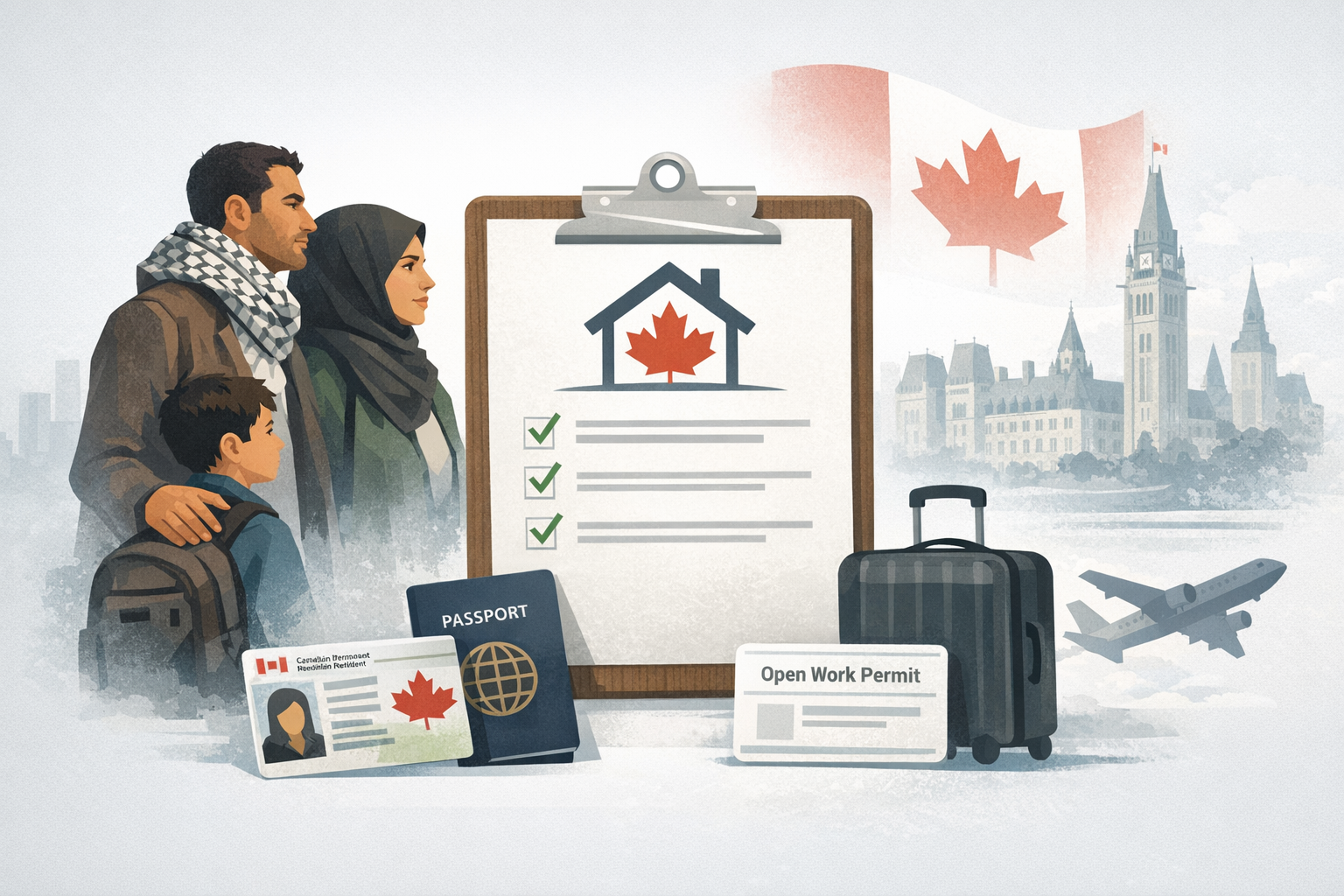
Palestinian Open Work Permits
Canada launches a temporary public policy (Aug 1, 2026–Dec 30, 2027) allowing Palestinians and eligible family members in Canada to apply for or extend open work permits (one-time extension). Policy is in-Canada only, excludes temporary resident permit holders, requires valid temporary status, standard fees apply—use IRCC’s online tool and apply promptly.