
IRCC (Dec 22, 2025) now limits study permits for prerequisite programs to program length plus 90 days (down from program length plus one year), aligning with November 2024 regulatory changes. Students must plan transitions into main programs within 90 days or prepare for permit extensions; institutions may need to adjust admissions timing.
Soheil Hosseini
December 22, 2025
Jurisdiction
Federal
Week
Week 52
Impact
Moderate
Programs Affected
Study permit validity for prerequisite programs cut to program length plus 90 days
Summary: IRCC has updated guidance to clarify that study permits issued for prerequisite programs will now be valid for the length of the prerequisite program plus 90 days, down from program length plus one year. The change aligns with regulatory amendments made in November 2024. Date: 2025-12-22
Source: IRCC
Program affected: Study Permit
Urgency: Important In a guidance update released on 2025-12-22, IRCC confirmed that study permit validity for students enrolled in prerequisite programs has been shortened to the duration of the program plus 90 days. This replaces the previous practice of granting validity for the program length plus one year. The revision is explicitly tied to regulatory amendments made in November 2024, bringing operational guidance in line with the current regulations. Key change:
- New validity: Program length + 90 days
- Previous validity: Program length + 1 year
- Alignment: November 2024 regulatory amendments Implications and analysis:
- Positive: The shorter validity window may improve status alignment and compliance, reducing opportunities for extended stays unrelated to the prerequisite course. It also provides clearer transition timelines for moving into the main program.
- Negative: Students completing prerequisites may have less buffer time to secure admission and transition to their main academic program, potentially leading to more frequent extension applications or tighter planning windows. Institutions may need to adjust admissions sequencing to accommodate the shorter post-completion period. What this means for students:
- Those in prerequisite programs should plan for timely next steps into their primary program of study within the new 90-day post-completion window and be prepared for permit extension processes if additional time is needed. This update refines administrative practice without expanding or restricting eligibility; it clarifies how long a permit remains valid specifically for prerequisite program studies under the updated regulatory framework.
Tags: Canada immigration, IRCC, Study Permit, Prerequisite program, International students, Policy update, Compliance, Regulatory amendments, 2024 changes, 2025 update End of article.
Categories
Share This Post
Stay Updated with Immigration News
Get the latest updates on Express Entry draws, OINP invitations, policy changes, and more delivered to your inbox.
We respect your privacy. Unsubscribe at any time.
Related Articles

IRCC genuineness guidance
IRCC requires officers to assess genuineness of LMIA‑exempt employer‑specific work‑permit offers under R200/R209.11—refusal is mandatory if any of four factors (active engagement, need, ability to fulfill terms, legal compliance) fail; open work permits are excluded. Employers must submit complete offers via the Employer Portal and may be contacted directly; CBSA conducts genuineness checks at POE and extrinsic adverse info triggers procedural fairness.
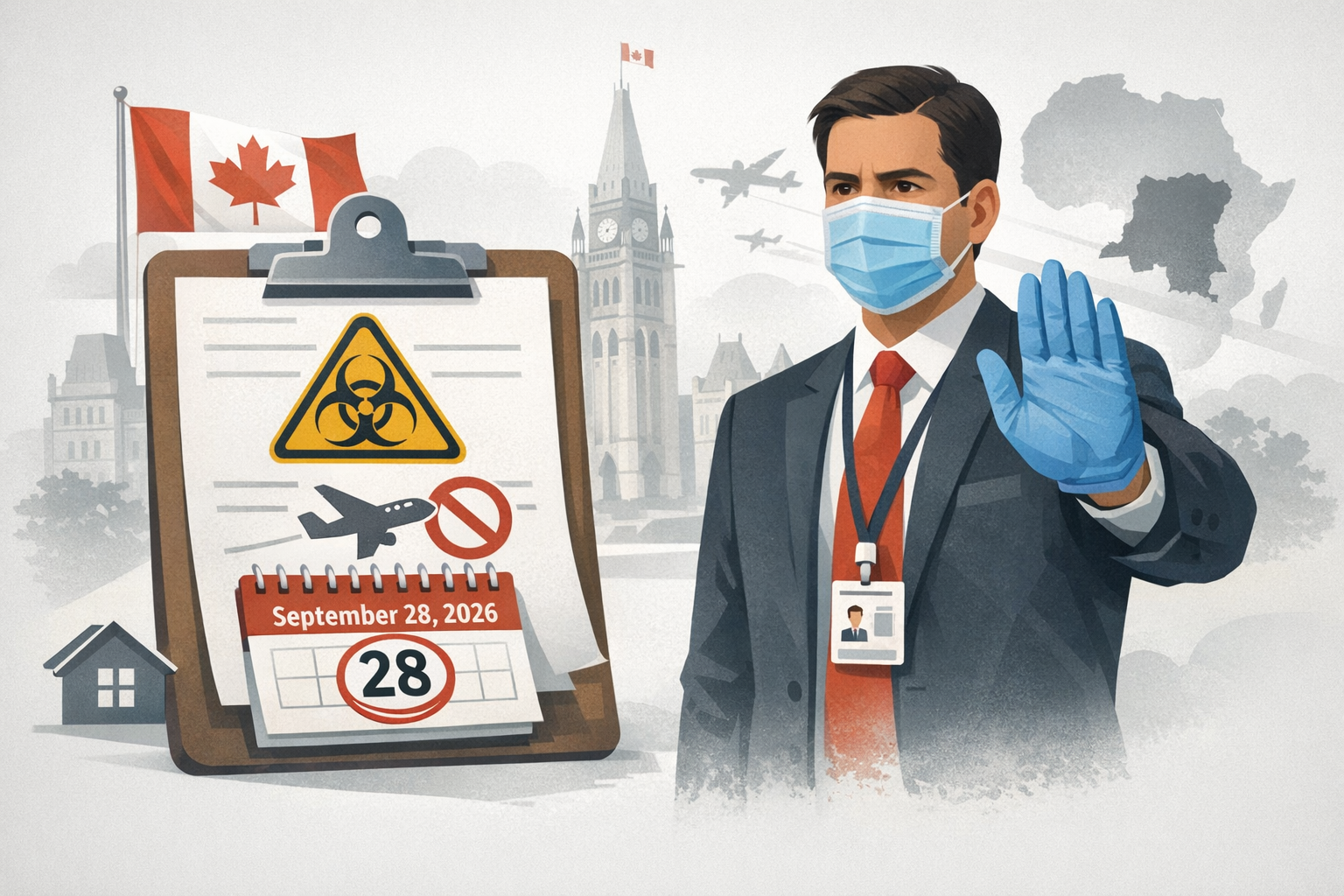
Canada extends Ebola measures
Canada extended Ebola travel measures to Sept. 28, 2026; effective July 20, 2026, foreign nationals who were in the DRC within the previous 21 days cannot board flights to Canada. Affects TRV, Work Permit and Study Permit travellers and may disrupt travel, enrolment and onboarding timelines.
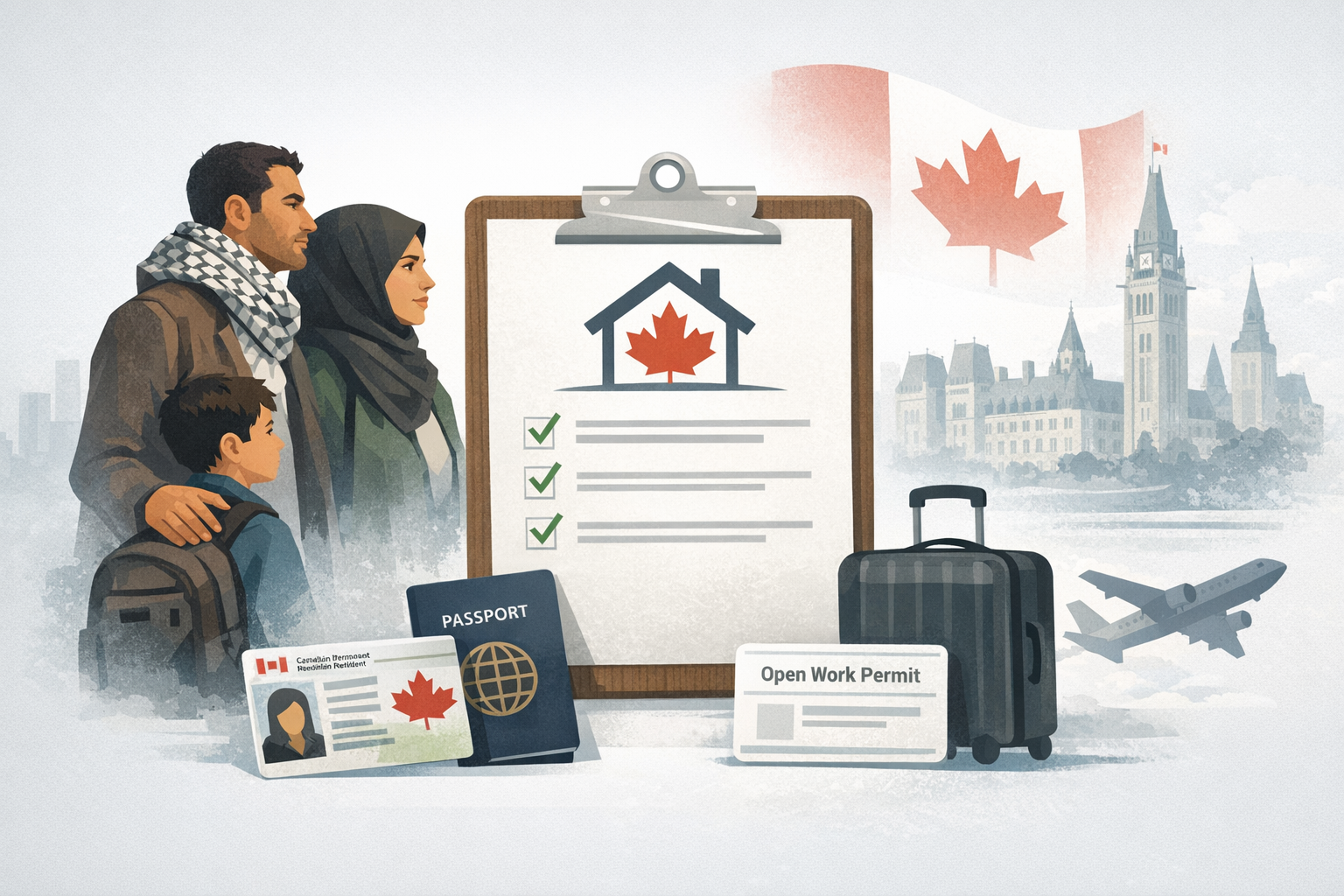
Palestinian Open Work Permits
Canada launches a temporary public policy (Aug 1, 2026–Dec 30, 2027) allowing Palestinians and eligible family members in Canada to apply for or extend open work permits (one-time extension). Policy is in-Canada only, excludes temporary resident permit holders, requires valid temporary status, standard fees apply—use IRCC’s online tool and apply promptly.

Philippines-Canada Declaration
Philippines and Canada signed a non-binding Joint Declaration of Intent (Vancouver, 2 Jul 2026) to strengthen ethical recruitment and migrant worker protections, aligned with ILO fair recruitment principles. Key commitments: no recruitment fees to workers, transparent licensing/verification, protection from passport/contract confiscation, freedom of movement, and access to information and grievance mechanisms. Impact depends on domestic enforcement; Filipino jobseekers should avoid paying fees and secure contracts, while employers must review fee, licensing, and document-handling practices.