
Canada will launch the Francophone Minority Communities Student Pilot (FMCSP) in winter 2027 to offer a direct permanent-residence pathway for eligible French-speaking international graduates outside Quebec. Eligible graduates (from 21 OIF countries) must hold an FMCSP study permit, complete a ≥2-year full-time program with >50% French instruction at participating DLIs, may include family, and can obtain an open work permit while PR is processed.
Soheil Hosseini
June 22, 2026
Jurisdiction
Federal
Week
Week 26
Impact
Moderate
Programs Affected
Canada launches Francophone student pilot offering direct path to permanent residence for international graduates in winter 2027
Summary: Canada will introduce the Francophone Minority Communities Student Pilot (FMCSP) to provide a direct route to permanent residence for eligible French-speaking international graduates outside Quebec starting winter 2027, aiming to strengthen Francophone communities and reduce reliance on Express Entry. Canada, 2026-06-22 — Canada is launching the Francophone Minority Communities Student Pilot (FMCSP) to create a dedicated permanent residence (PR) pathway for French-speaking international graduates who study at participating institutions outside Quebec. Starting in winter 2027, qualified graduates can apply directly for PR without going through Express Entry or other economic streams, reflecting a strategic shift to meet national Francophone immigration objectives. The government notes that Express Entry alone has not met Francophone targets, prompting a tailored pathway that links study and settlement in Francophone minority communities. The pilot also integrates settlement supports to encourage long-term retention. Key features and eligibility
- Must reside in Canada outside Quebec and intend to remain outside Quebec.
- Hold a study permit issued under the FMCSP.
- Maintain valid temporary resident status at the time of PR application.
- Graduate from a participating designated learning institution (DLI).
- Complete a full-time post-secondary program of at least two years.
- Program must have more than 50% French-language instruction.
- May include spouse/common-law partner and dependent children in the PR application. Processing flexibility and work authorization
- After submitting the PR application, graduates may apply for an open work permit, allowing work anywhere in Canada outside Quebec while PR is processed.
- Family members may maintain or extend their status and accompany graduates as workers, students, or visitors. Settlement and community supports
Participants and families will have access to free services, including:
- Employment assistance
- Language assessment and training
- School enrollment support for children
- Community integration services
- Pre- and post-PR settlement support Eligible countries (study permits issued under FMCSP)
- Benin; Burkina Faso; Burundi; Cameroon; Central African Republic; Chad; Comoros; Republic of the Congo; Democratic Republic of the Congo; Côte d'Ivoire (Ivory Coast); Djibouti; Gabon; Guinea; Haiti; Madagascar; Mali; Mauritania; Morocco; Niger; Senegal; Togo.
These 21 countries are members of the Organisation internationale de la Francophonie (OIF) and are key sources of French-speaking immigration to Canada. Programs affected
- Study Permit
- Work Permit (via post-application open work permit) Independent analysis
- Potential positives:
- Creates a predictable, study-to-PR pathway that can boost enrollment in French-language programs and improve retention in Francophone minority communities.
- Reduces reliance on competitive Express Entry thresholds, potentially speeding transitions for qualified graduates.
- Family-inclusive approach and open work permits may enhance economic integration and stability during processing.
- Potential challenges/risks:
- Access limited to 21 countries could raise fairness and equity questions among other Francophone applicants.
- Administrative complexity in verifying >50% French instruction and ensuring residency intentions outside Quebec.
- Capacity pressures on participating DLIs and community services if demand is high.
- Uncertainty until program details and institutional participation lists are finalized closer to winter 2027. Source: News Article
Date of update: 2026-06-22
Tags: Canada immigration, Francophone immigration, FMCSP, International students, Permanent residence, Study permit, Open work permit, Outside Quebec, La Francophonie, Policy update, Settlement services This pilot marks a new, targeted direction in Canada’s immigration policy—linking education, language, and community development to deliver a direct PR pathway for Francophone graduates and bolster Francophone life across the country outside Quebec.
Categories
Share This Post
Stay Updated with Immigration News
Get the latest updates on Express Entry draws, OINP invitations, policy changes, and more delivered to your inbox.
We respect your privacy. Unsubscribe at any time.
Related Articles
90-Day Grace Period
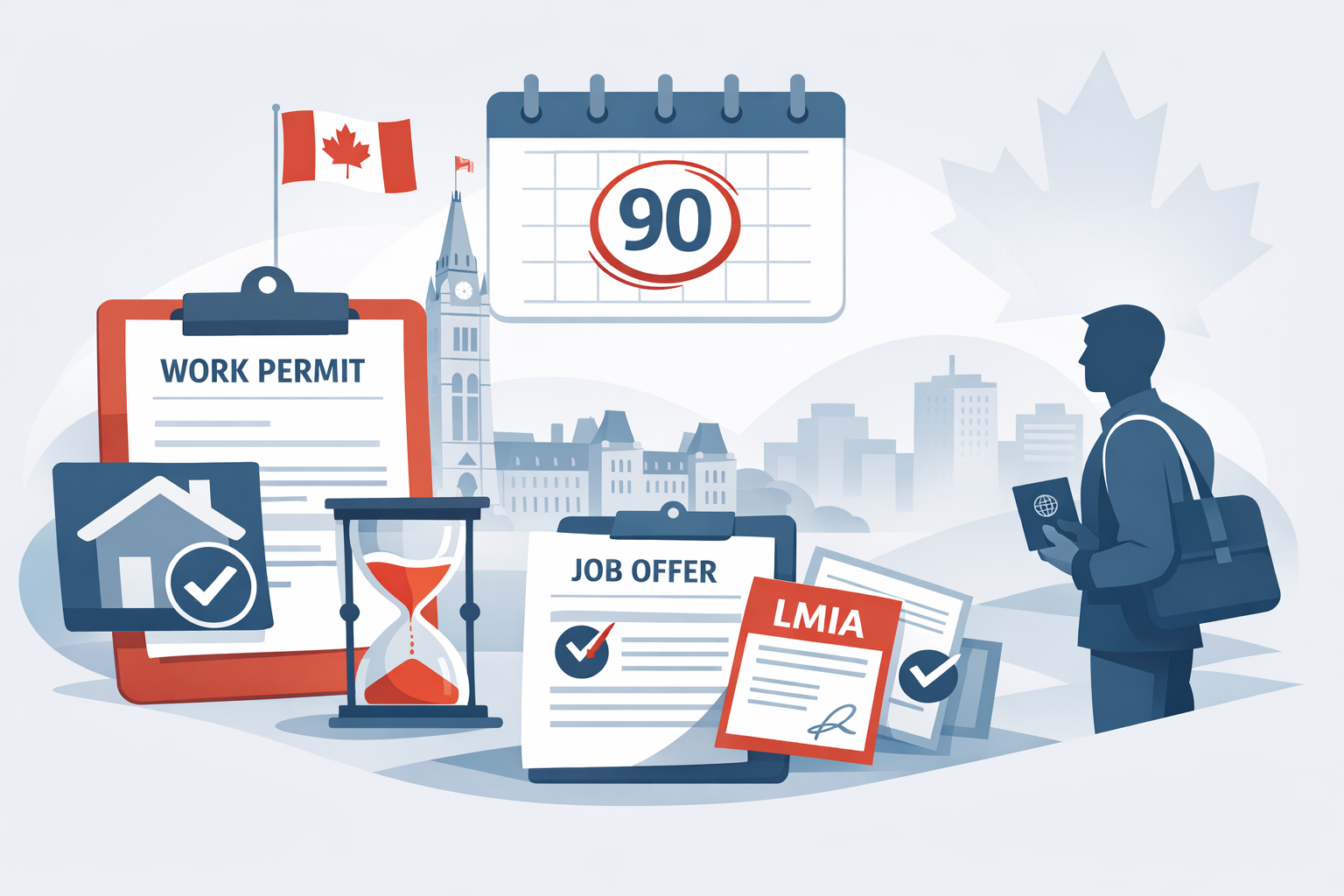
IRCC extends concurrent processing grace period for eligible in‑Canada LMIA‑dependent work‑permit extension applications from 60 to 90 days, holding applications without decision to allow a pending LMIA (and CAQ, if required) to be issued. A new client flagging process (use tracking code CPTS2026 in the intended occupation) identifies files for concurrent processing; eligibility hinges on permit expiry window, timely LMIA filing, and LMIA validity.

IRCC A70 Guidance
IRCC standardized and reorganized R207 – A70 guidance for in‑Canada PR applicants under the International Mobility Program—new landing page, clarified instructions and consistent format. Affects protected persons, family members and H&C applicants; procedural/formatting update only, no substantive eligibility changes.

Employer Inspection Guidance
IRCC reissued and broadened COVID-era employer inspection guidance to apply under the Emergencies Act and Quarantine Act for International Mobility Program employers, clarifying inspection triggers, timelines, and a six‑year document retention requirement. It affirms employers must pay wages during mandated quarantine, allows telework where feasible, but does not require employers to cover quarantine accommodation costs.
Passport Renewal Online
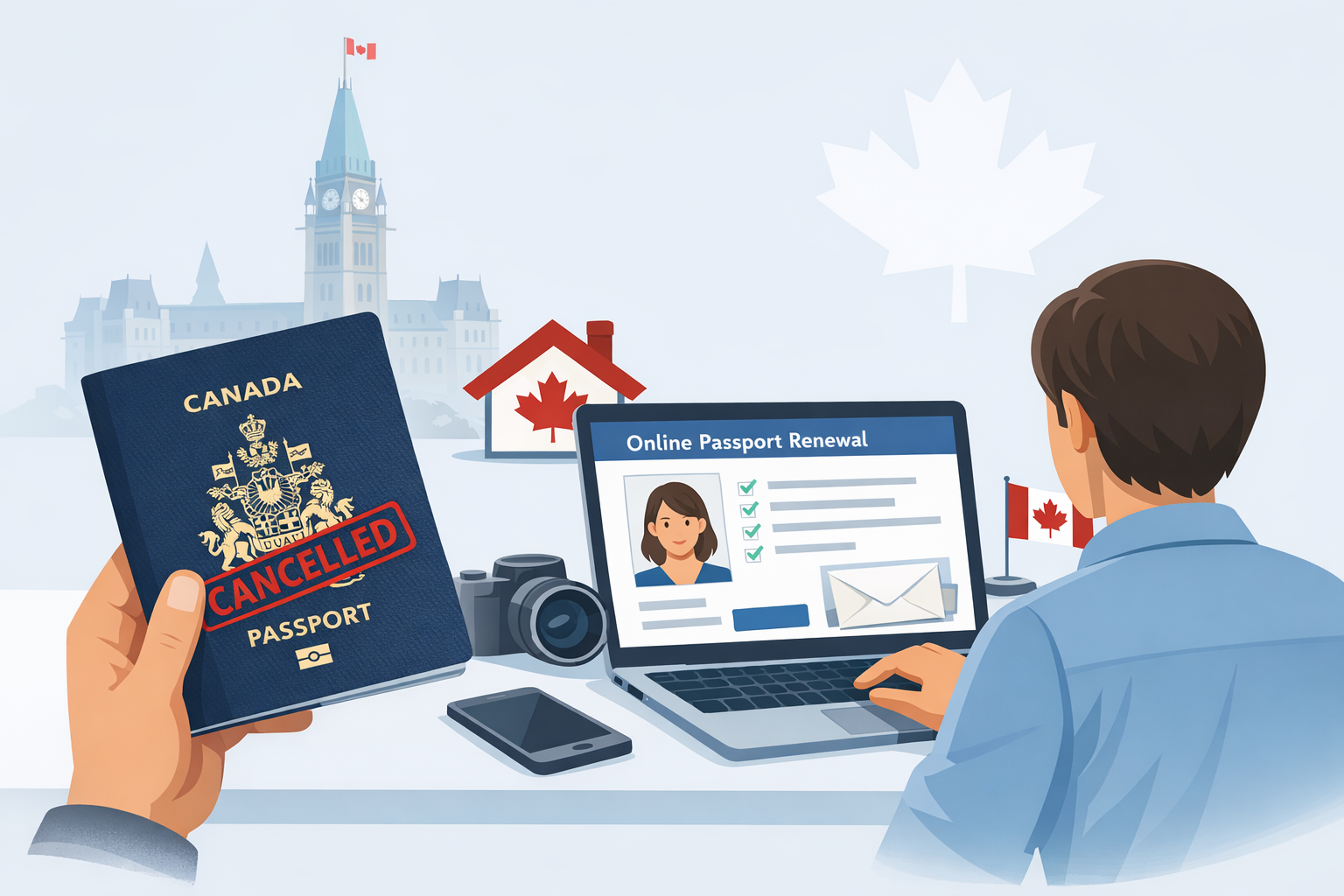
Eligible Canadians can renew their own passport online from within Canada if it expires within six months (or is already expired), keep the same personal details, and meet standard renewal rules; the digital photo must be taken in person by a commercial photographer and be no more than six months old. Processing takes up to 20 business days plus mailing, the new passport will be mailed to a Canadian address, and the current passport is cancelled once the application is submitted.