
IRCC updated guidance (2026-06-18) clarifying how officers assess study permit conditions: DLI enrollment, program changes, academic progress, leaves and working during leave. Students, institutions and employers should review the instructions to align records and activities, as stricter interpretations of “active pursuit” and work-during-leave rules may affect study and work permissions.
Soheil Hosseini
June 18, 2026
Jurisdiction
Federal
Week
Week 25
Impact
Low
Programs Affected
IRCC updates study permit assessment guidance on DLI enrollment, program changes, leave and work rules
Summary: IRCC has updated its internal program delivery instructions to clarify how officers assess study permit conditions, including DLI enrollment, program changes, academic progress, leaves from studies, and work eligibility during leaves. The update is informational and may affect both study and work authorization compliance assessments. IRCC on 2026-06-18 released an update to its program delivery instructions titled “Study permits – Assessing study permit conditions,” providing additional guidance for officers. While these instructions are primarily for IRCC staff, they are posted publicly to inform stakeholders. Source: IRCC | Date of update: 2026-06-18 | Urgency: Informational Key elements of the update focus on:
- Assessment of study permit conditions
- Enrolment at a Designated Learning Institution (DLI)
- Changing DLIs or programs of study
- Actively pursuing studies
- Progress toward completion of studies
- Leave from studies
- Working during leave from studies
Programs affected: Study Permit, Work Permit Independent analysis:
- Positive impacts: The clarified guidance should enhance predictability for students and DLIs, reduce inadvertent non-compliance, and support more consistent officer decision-making—especially around program changes, temporary leaves, and limited work during leaves.
- Potential concerns: Tighter interpretation of “active pursuit” or “progress toward completion” could increase compliance scrutiny, potentially affecting students who change programs or take leaves without robust documentation. Clarifications on “working during leave” may restrict or condition work eligibility depending on the leave’s nature and documentation, which could impact students’ income planning.
- Practical takeaway: International students and institutions should review the updated instructions to align enrollment status, leave requests, and work activities with the clarified criteria, keeping thorough records to demonstrate ongoing compliance.
Closing: Stakeholders—including students, DLIs, and employers—should consult the updated IRCC instructions to understand how these clarifications may influence study status, program transitions, and work authorization assessments.
Tags: Canada immigration, IRCC, study permit, work permit, DLI, international students, program change, leave from studies, active pursuit, compliance, policy update
Categories
Share This Post
Stay Updated with Immigration News
Get the latest updates on Express Entry draws, OINP invitations, policy changes, and more delivered to your inbox.
We respect your privacy. Unsubscribe at any time.
Related Articles
90-Day Grace Period
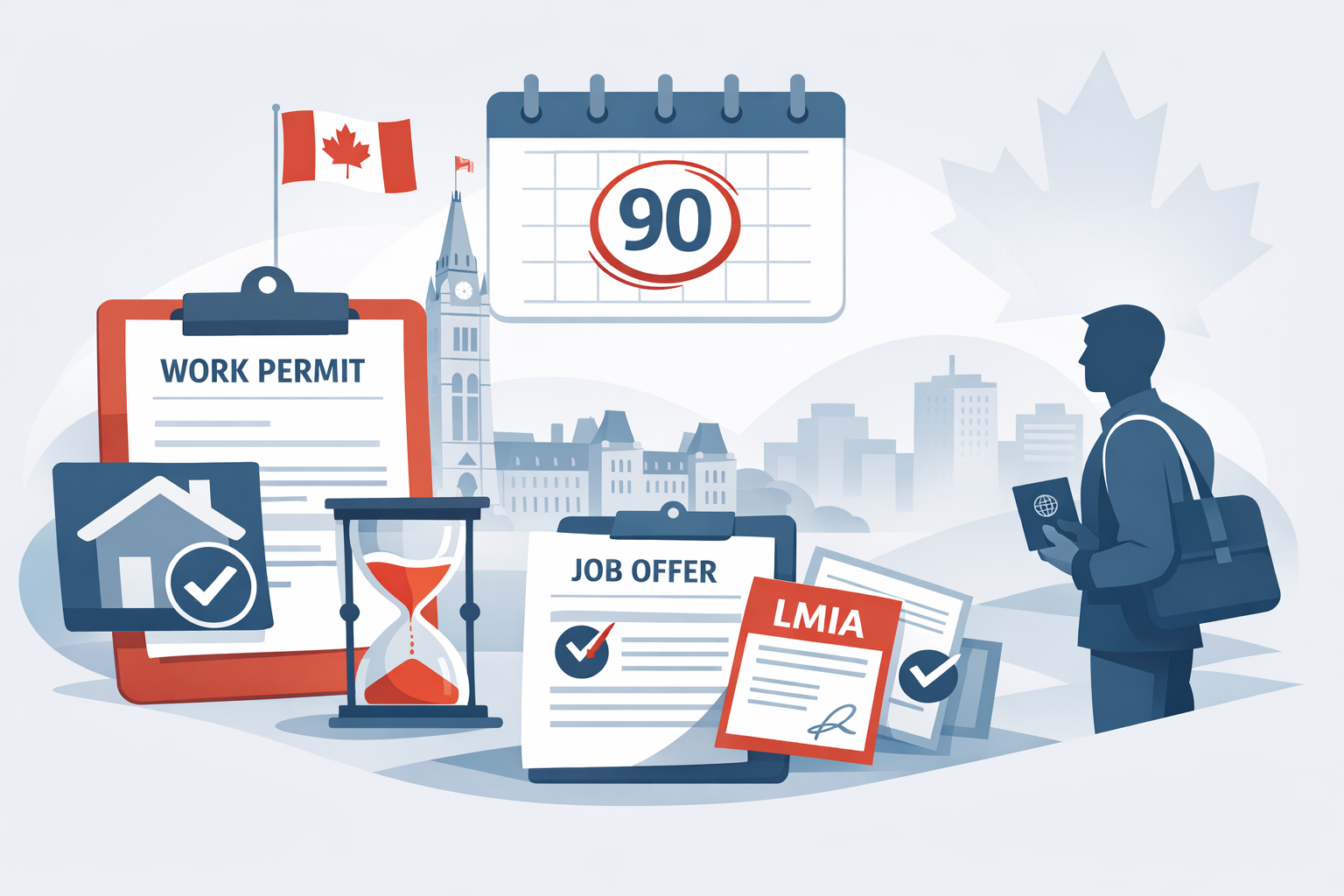
IRCC extends concurrent processing grace period for eligible in‑Canada LMIA‑dependent work‑permit extension applications from 60 to 90 days, holding applications without decision to allow a pending LMIA (and CAQ, if required) to be issued. A new client flagging process (use tracking code CPTS2026 in the intended occupation) identifies files for concurrent processing; eligibility hinges on permit expiry window, timely LMIA filing, and LMIA validity.

IRCC A70 Guidance
IRCC standardized and reorganized R207 – A70 guidance for in‑Canada PR applicants under the International Mobility Program—new landing page, clarified instructions and consistent format. Affects protected persons, family members and H&C applicants; procedural/formatting update only, no substantive eligibility changes.

Employer Inspection Guidance
IRCC reissued and broadened COVID-era employer inspection guidance to apply under the Emergencies Act and Quarantine Act for International Mobility Program employers, clarifying inspection triggers, timelines, and a six‑year document retention requirement. It affirms employers must pay wages during mandated quarantine, allows telework where feasible, but does not require employers to cover quarantine accommodation costs.

Passport Renewal Online
Eligible Canadians can renew their own passport online from within Canada if it expires within six months (or is already expired), keep the same personal details, and meet standard renewal rules; the digital photo must be taken in person by a commercial photographer and be no more than six months old. Processing takes up to 20 business days plus mailing, the new passport will be mailed to a Canadian address, and the current passport is cancelled once the application is submitted.