
Effective May 1, 2026 IRCC will introduce IFHP co-payments: $4 per eligible prescription and 30% of the cost for other supplemental services (dental, vision, counselling, assistive devices), while core doctor and hospital care remain fully covered. Beneficiaries must pay registered IFHP providers at point of service and should consult the IFHP Provider Search and toolkit for details.
Soheil Hosseini
January 27, 2026
Jurisdiction
Federal
Week
Week 5
Impact
Moderate
Programs Affected
Ottawa to introduce co-payments for Interim Federal Health Program supplemental services starting May 1, 2026
Summary: Canada will introduce co-payments under the Interim Federal Health Program (IFHP) for supplemental services effective 2026-05-01. Beneficiaries will pay $4 per eligible prescription and 30% for other supplemental products and services, while basic health care remains fully covered. Source: IRCC. Ottawa, 2026-01-27 — Immigration, Refugees and Citizenship Canada (IRCC) announced that, as outlined in Budget 2025, it will implement co-payments for supplemental health products and services under the Interim Federal Health Program (IFHP). The IFHP provides limited and temporary coverage for urgent and essential health products and services until eligible beneficiaries transition to provincial or territorial health care. Effective date: 2026-05-01. What is changing
- Co-payments for IFHP beneficiaries:
- $4 for each eligible prescription medication filled or refilled.
- 30% of the cost of all other eligible supplemental health products and services, including dental care, vision care, counselling, and assistive devices.
- Beneficiaries will pay these amounts directly to IFHP-registered providers when receiving IFHP-eligible supplemental products or services.
- Basic health care benefits, including doctor visits and hospital care, will remain fully covered under the IFHP, with no co-payments. Guidance for beneficiaries starting 2026-05-01
- Choose a health care provider registered under the IFHP using the IFHP Provider Search tool.
- Ask the provider whether a co-payment will apply before receiving care.
- Confirm the amount payable.
- Keep receipts for any co-payments made. Additional resources
An information toolkit with guidance and resources for beneficiaries, stakeholders, and service providers is available. More information on IFHP coverage and co-payment fees, including benefit grids and billing details, is available on the Interim Federal Health Program website and through Medavie Blue Cross. Program affected: Refugees, H&C. Source: IRCC. Independent analysis
- Potential positives: The co-payment model may help maintain program sustainability amid growing demand, preserving access to core IFHP benefits and encouraging responsible use of supplemental services.
- Potential negatives: Even modest co-payments could create financial barriers for vulnerable beneficiaries, potentially reducing uptake of supplemental services such as dental, vision, counselling, and assistive devices. Providers may also face administrative adjustments in collecting co-payments and informing patients.
- Practical implication: Beneficiaries and service providers should prepare for point-of-service payments, verify provider registration, and retain receipts, while monitoring IRCC updates for detailed benefit grids and billing practices. Closing
IRCC’s move introduces cost-sharing for supplemental IFHP benefits while keeping basic care fully covered. Stakeholders are advised to review the toolkit and operational guidance ahead of the 2026-05-01 implementation to ensure continuity of care and compliance.
Tags: Canada immigration, IRCC, Interim Federal Health Program, IFHP, co-payment, refugees, humanitarian and compassionate, health coverage, Budget 2025, Medavie Blue Cross, policy update, Canadian healthcare, settlement services, newcomer health, Ottawa announcement
Categories
Share This Post
Stay Updated with Immigration News
Get the latest updates on Express Entry draws, OINP invitations, policy changes, and more delivered to your inbox.
We respect your privacy. Unsubscribe at any time.
Related Articles
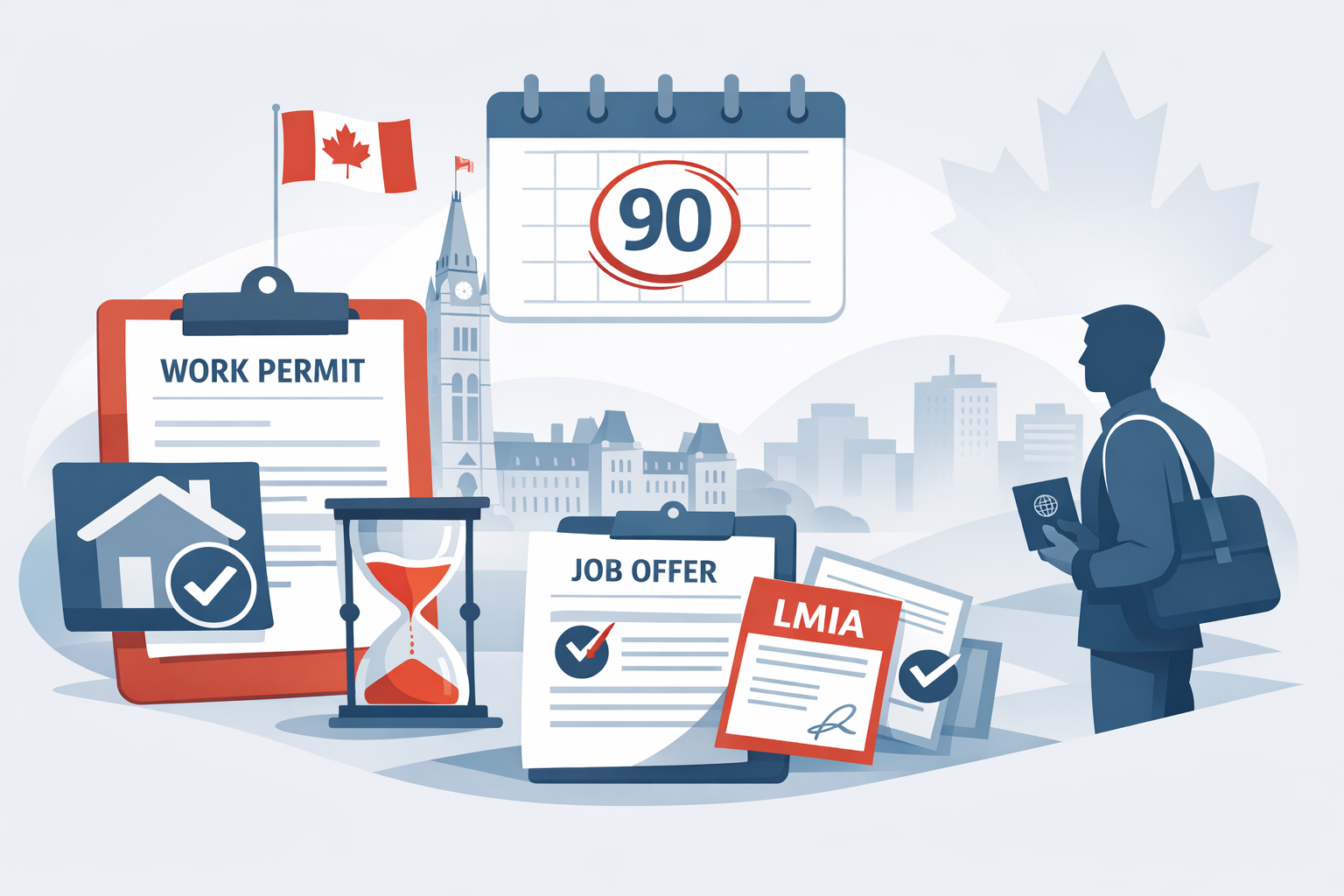
90-Day Grace Period
IRCC extends concurrent processing grace period for eligible in‑Canada LMIA‑dependent work‑permit extension applications from 60 to 90 days, holding applications without decision to allow a pending LMIA (and CAQ, if required) to be issued. A new client flagging process (use tracking code CPTS2026 in the intended occupation) identifies files for concurrent processing; eligibility hinges on permit expiry window, timely LMIA filing, and LMIA validity.

IRCC A70 Guidance
IRCC standardized and reorganized R207 – A70 guidance for in‑Canada PR applicants under the International Mobility Program—new landing page, clarified instructions and consistent format. Affects protected persons, family members and H&C applicants; procedural/formatting update only, no substantive eligibility changes.

Employer Inspection Guidance
IRCC reissued and broadened COVID-era employer inspection guidance to apply under the Emergencies Act and Quarantine Act for International Mobility Program employers, clarifying inspection triggers, timelines, and a six‑year document retention requirement. It affirms employers must pay wages during mandated quarantine, allows telework where feasible, but does not require employers to cover quarantine accommodation costs.
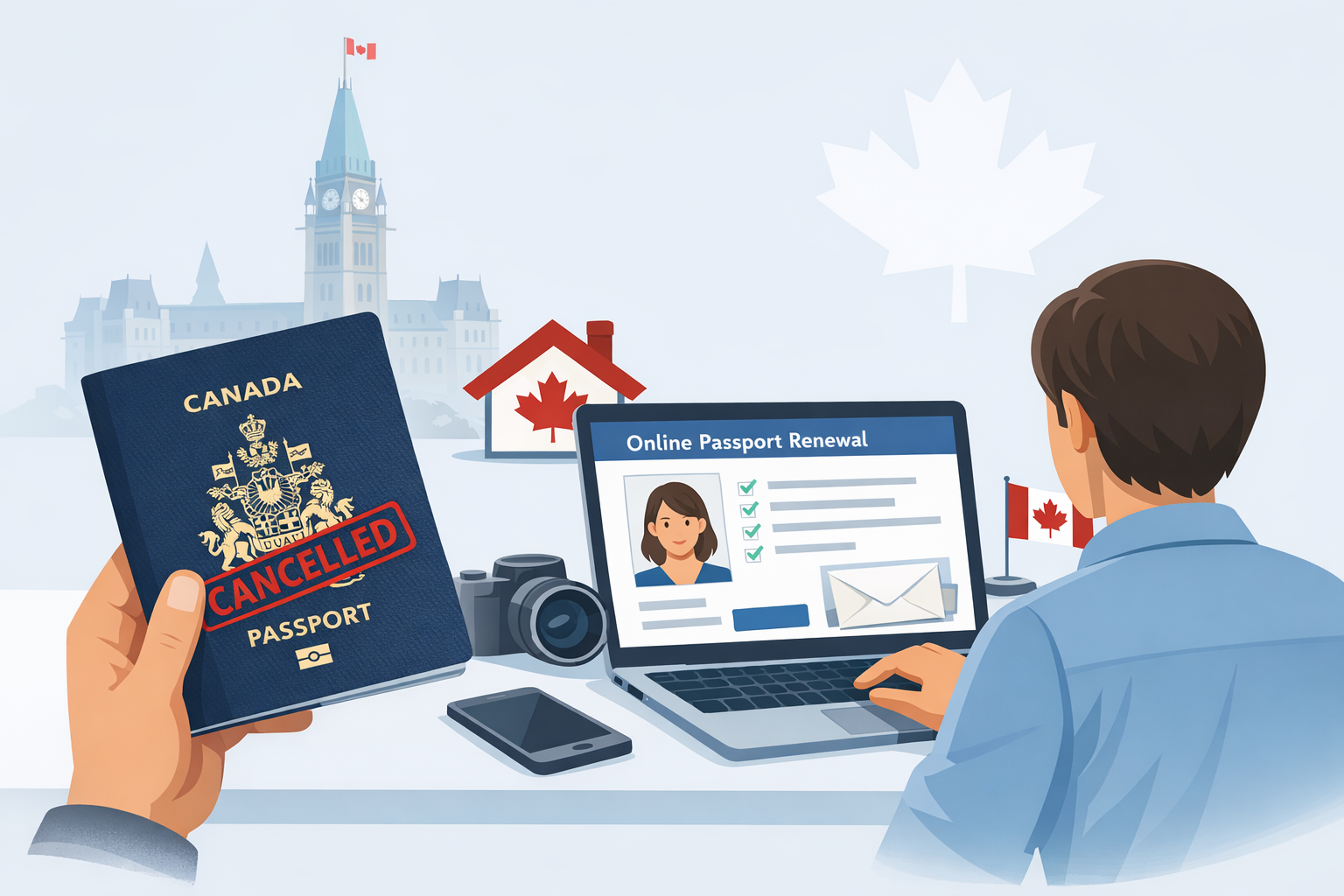
Passport Renewal Online
Eligible Canadians can renew their own passport online from within Canada if it expires within six months (or is already expired), keep the same personal details, and meet standard renewal rules; the digital photo must be taken in person by a commercial photographer and be no more than six months old. Processing takes up to 20 business days plus mailing, the new passport will be mailed to a Canadian address, and the current passport is cancelled once the application is submitted.