
IRCC updated Work Permit instructions (Nov 17, 2025): for applications received on or after Jan 21, 2025, dependent children are ineligible for family open work permits under C46/C48 and spouses of TEER 4 workers are ineligible under C47 when filed outside R205(c)(ii) reciprocal agreements. Related military family instructions and documentary/approval/refusal guidance were aligned and expanded.
Soheil Hosseini
November 17, 2025
Jurisdiction
Federal
Week
Week 47
Impact
Moderate
Programs Affected
IRCC updates family open work‑permit rules: dependent children, TEER 4 spouses ineligible for applications received on or after Jan. 21, 2025
Summary: IRCC has clarified that, for applications received on or after January 21, 2025, dependent children are not eligible for family open work permits under codes C46/C48, and spouses of TEER 4 workers are not eligible under C47, when applications are made outside reciprocal agreements under R205(c)(ii). Related military family instructions have been aligned. IRCC on 2025-11-17 updated its program instructions for the Work Permit stream, clarifying family member eligibility for open work permits under paragraph R205(c)(ii) when applications are filed outside reciprocal agreements. The changes also align instructions for family members of military personnel with the worker-family rules that took effect on January 21, 2025. Key rule clarifications (outside reciprocal agreements under R205(c)(ii)):
- Dependent children ineligible (C46/C48): If the work permit application was received by IRCC or CBSA on or after January 21, 2025, dependent children cannot apply for an open work permit under administrative codes C46 or C48.
- Spouses of TEER 4 applicants ineligible (C47): Spouses of TEER 4 workers are not eligible to apply for an open work permit under administrative code C47 for applications received on or after the same date. Additional instruction updates:
- Added guidance under Documentary Evidence when there is no reciprocal agreement.
- Added guidance under Approval when there is no reciprocal agreement.
- Added guidance under Refusal, plus useful links and previous updates sections. Source: IRCC
Date of update: 2025-11-17
Program affected: Work Permit Independent analysis:
- Potential impacts on families: The clarified ineligibility for dependent children and for spouses of TEER 4 workers may reduce immediate work authorization options for accompanying family members, potentially affecting household income and settlement outcomes where alternate status pathways are limited.
- Employer and applicant planning: The receipt-date cutoff (Jan. 21, 2025) is critical for compliance. Applicants and representatives should verify the administrative code (C46, C47, C48) and whether the application falls outside reciprocal agreements under R205(c)(ii) before relying on family open work permit eligibility.
- Program integrity and clarity: The expanded Documentary Evidence/Approval/Refusal guidance should improve consistency and predictability in decision-making, but narrows the scope of family access to open work permits in these categories.
Closing: Stakeholders should review the updated IRCC instructions, confirm whether their situation involves applications outside R205(c)(ii) reciprocal agreements, and assess family members’ eligibility in light of the Jan. 21, 2025 receipt-date rule and the specified administrative codes.
Tags: IRCC, Work Permit, R205(c)(ii), C46, C47, C48, TEER 4, Open Work Permit, Dependent Children, Spouses, CBSA, Reciprocal Agreements, Canadian Immigration Policy, Military Families
Categories
Share This Post
Stay Updated with Immigration News
Get the latest updates on Express Entry draws, OINP invitations, policy changes, and more delivered to your inbox.
We respect your privacy. Unsubscribe at any time.
Related Articles

IRCC genuineness guidance
IRCC requires officers to assess genuineness of LMIA‑exempt employer‑specific work‑permit offers under R200/R209.11—refusal is mandatory if any of four factors (active engagement, need, ability to fulfill terms, legal compliance) fail; open work permits are excluded. Employers must submit complete offers via the Employer Portal and may be contacted directly; CBSA conducts genuineness checks at POE and extrinsic adverse info triggers procedural fairness.
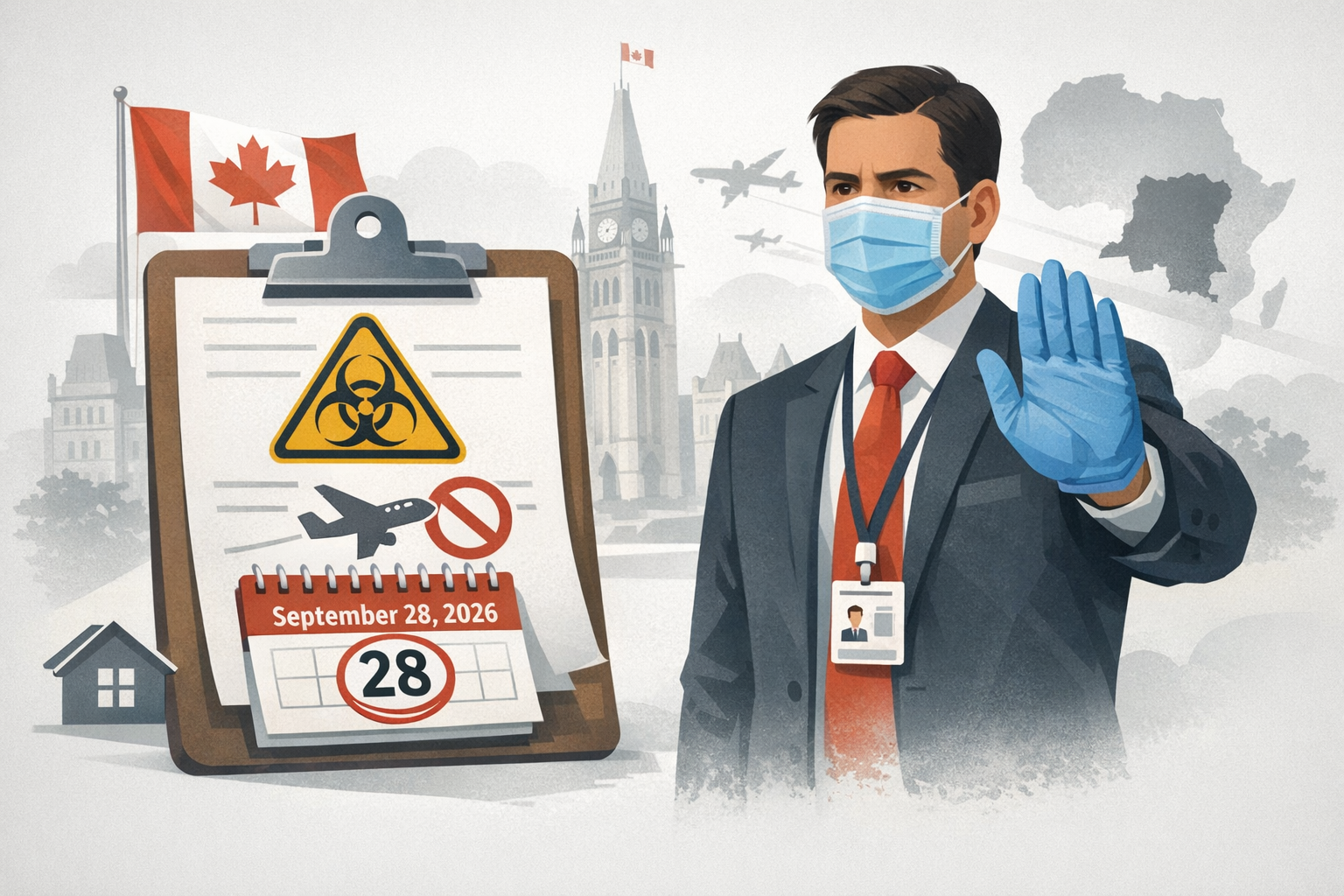
Canada extends Ebola measures
Canada extended Ebola travel measures to Sept. 28, 2026; effective July 20, 2026, foreign nationals who were in the DRC within the previous 21 days cannot board flights to Canada. Affects TRV, Work Permit and Study Permit travellers and may disrupt travel, enrolment and onboarding timelines.
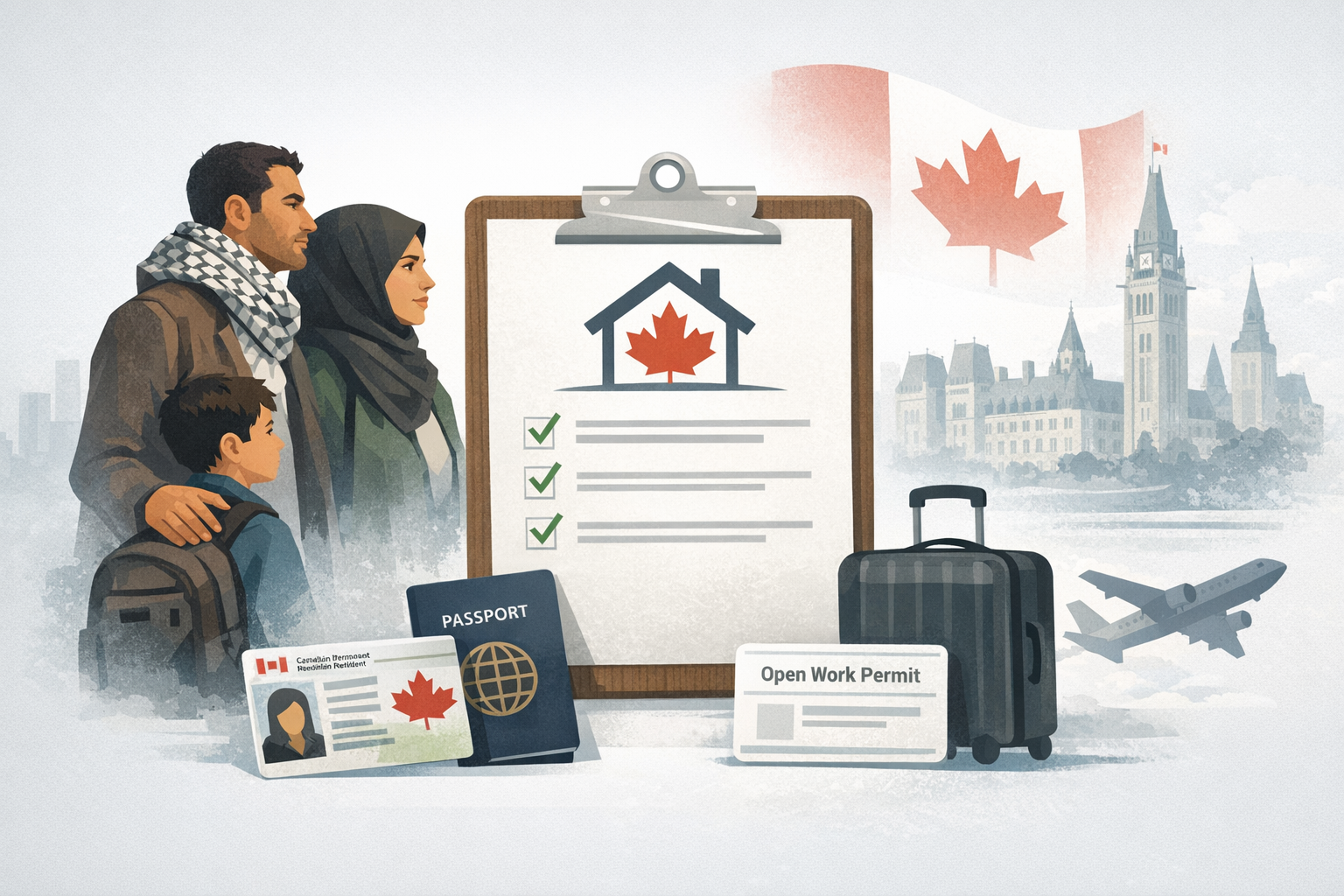
Palestinian Open Work Permits
Canada launches a temporary public policy (Aug 1, 2026–Dec 30, 2027) allowing Palestinians and eligible family members in Canada to apply for or extend open work permits (one-time extension). Policy is in-Canada only, excludes temporary resident permit holders, requires valid temporary status, standard fees apply—use IRCC’s online tool and apply promptly.

Philippines-Canada Declaration
Philippines and Canada signed a non-binding Joint Declaration of Intent (Vancouver, 2 Jul 2026) to strengthen ethical recruitment and migrant worker protections, aligned with ILO fair recruitment principles. Key commitments: no recruitment fees to workers, transparent licensing/verification, protection from passport/contract confiscation, freedom of movement, and access to information and grievance mechanisms. Impact depends on domestic enforcement; Filipino jobseekers should avoid paying fees and secure contracts, while employers must review fee, licensing, and document-handling practices.